- The Leadership Table
- Posts
- Leadership & Food:
Leadership & Food:
A Recipe for Excellence

Robert Adams
June 21, 2025
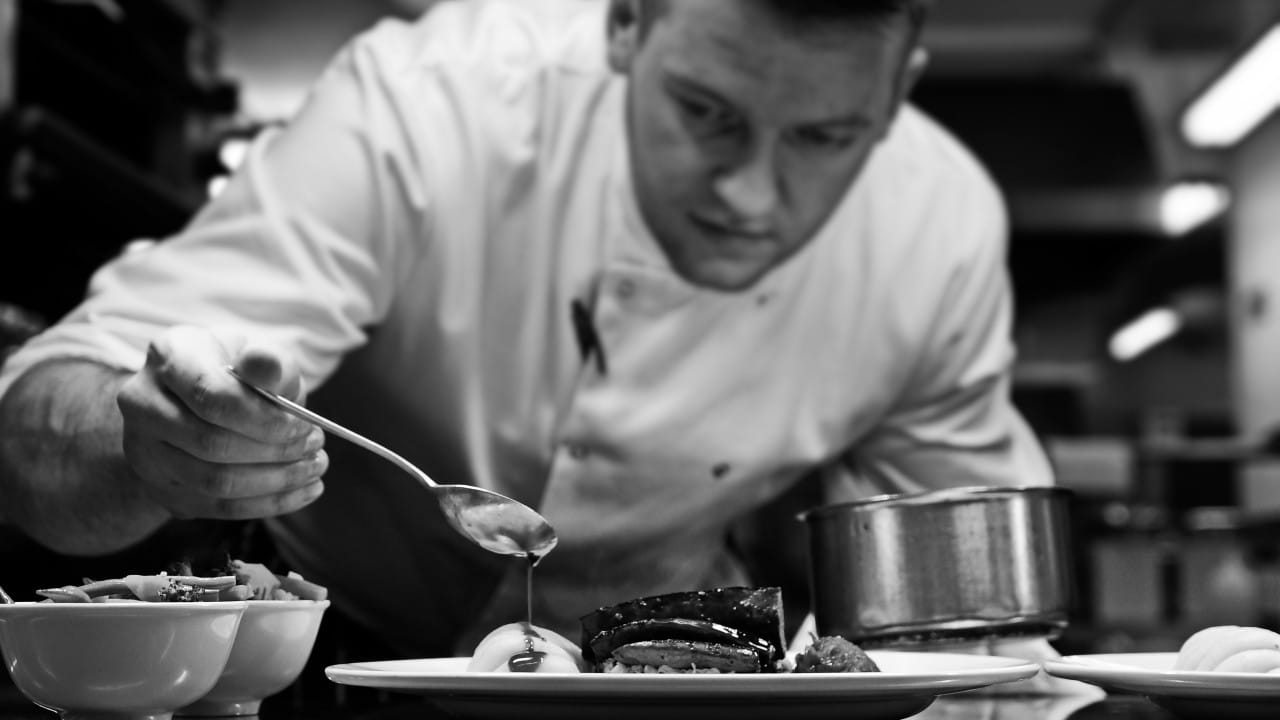
In both the kitchen and the boardroom, excellence isn't found in textbooks—it's crafted through behaviors repeated until they become second nature. As someone who has spent decades in the food distribution industry connecting independent operators with the resources they need to thrive, I've witnessed this truth from farm to table and everywhere in between.
While Amazon shelves groan under the weight of 90,000+ cookbooks and an equal number of leadership titles, the gap between knowing and doing remains vast in both domains. The chef who can recite Escoffier but burns a basic roux; the executive who quotes Peter Drucker while their team disengages—both demonstrate that understanding principles doesn't guarantee mastering practices.
Let me invite you on a journey through the kitchen of leadership, where the parallels between culinary excellence and exceptional leadership might forever change how you approach both your craft and your team.
1. Mastery Through Practice, Not Theory
Watch a seasoned chef during service: the economy of movement, the instinctive timing, the ability to taste a sauce and know exactly what it needs. These skills weren't developed by reading—they were forged through thousands of covers, countless burns, and relentless repetition.
Thomas Keller didn't become Thomas Keller by theorizing about the perfect roast chicken. He mastered it through deliberate practice, just as Danny Meyer didn't build his restaurant empire through leadership theories but through consistently practicing specific behaviors that made both guests and staff feel valued.
For the food distributor, this might mean perfecting the behaviors that strengthen relationships with both suppliers and customers. For the manufacturer, it's the consistent quality control processes that become organizational muscle memory. For the restaurant leader, it's the daily pre-shift meetings that set the tone for exceptional service.
In every segment of our industry, the difference between good and great isn't knowledge—it's the disciplined practice of behaviors that deliver results.

2. The Ingredients Matter
From the farmer who understands that soil health determines tomato flavor to the chef who knows that yesterday's fish is today's disaster—our industry lives or dies by ingredient quality. No amount of culinary technique can compensate for compromised inputs.
Leadership follows the same principle. The culture you cultivate, the people you bring onto your team, the values you instill—these are the ingredients of organizational success. A restaurant group trying to build excellence with a toxic kitchen culture faces the same challenge as a chef working with inferior produce.
This is why the best food industry leaders, from small independent operators to global manufacturers, are obsessive about their "supply chain"—both literal and figurative. They build relationships with producers, distributors, and team members based on quality and integrity. They understand that excellence begins long before the cooking or the leading starts.
3. Adaptation to Environment
The farm-to-table movement didn't emerge from a vacuum—it developed as a response to industrialized food systems and a desire for connection to local environments. Similarly, ghost kitchens evolved to meet changing consumer behaviors and economic realities.
Leadership in our industry requires the same environmental awareness. The management approach that works in a high-volume QSR operation might fail in a fine dining establishment. The leadership behaviors that succeed in a manufacturing plant might falter in a distribution center. Cultural contexts demand different leadership approaches just as they demand different culinary techniques.
The most effective food industry leaders, like adaptive chefs, read their environment and adjust accordingly. They don't force a single approach regardless of context. They understand that leadership, like cooking, requires both foundational principles and situational flexibility.
4. The Social Experience
Our industry exists because of a fundamental human truth: breaking bread together creates connections that transcend the meal itself. From the communal tables of ancient civilizations to today's chef's tables and family-style services, food has always been about more than sustenance—it's about belonging.
The most impactful leadership in our industry creates the same sense of belonging. Teams thrive not just because of operational efficiency, but because of the environment a leader cultivates—where line cooks, servers, sales representatives, and executives all feel valued, challenged, and connected to the larger purpose of nourishing communities.
In both realms, technical skills matter, but the human element transforms competence into excellence. A technically perfect dish served without heart feels hollow; a financially successful operation that fails to connect with its team and customers leaves everyone hungry for more.
5. Tradition vs. Innovation
Our industry constantly navigates the tension between honoring culinary traditions and embracing innovation. The best chefs understand the classical mother sauces and knife skills that have endured for generations while finding ways to surprise and delight with new techniques like sous vide or molecular gastronomy.
Leadership in food businesses faces the same balancing act. Effective leaders honor the core values and proven practices that have built their organization's foundation while adapting to changing circumstances—whether that's embracing new technology in distribution logistics, adapting to plant-based trends in manufacturing, or reimagining service models in restaurants.
This balance requires discernment in both domains—knowing which elements are essential to preserve and which can evolve. The chef who understands why a technique works can thoughtfully modify it; the food industry leader who grasps the purpose behind a practice can adapt it to new market conditions without losing its essence.

6. Feedback and Adjustment
In professional kitchens, the expediter serves as the critical feedback loop—communicating between the front and back of the house, adjusting timing, and ensuring quality before dishes reach the guest. This constant cycle of feedback and adjustment prevents minor issues from becoming major failures.
Great food industry leaders operate with the same feedback loop. They don't wait for quarterly reviews or annual surveys to check if they're on track. The restaurant owner who walks the dining room during service, the distributor who rides along with delivery drivers, and the manufacturer who regularly visits customer operations—all are gathering real-time feedback that allows for immediate adjustments.
This willingness to seek and respond to feedback distinguishes excellence in both fields. The chef who tastes only at the end may have no time to correct a fundamental flaw; the leader who ignores feedback until sales decline may find customer relationships already damaged.
7. Serving Others
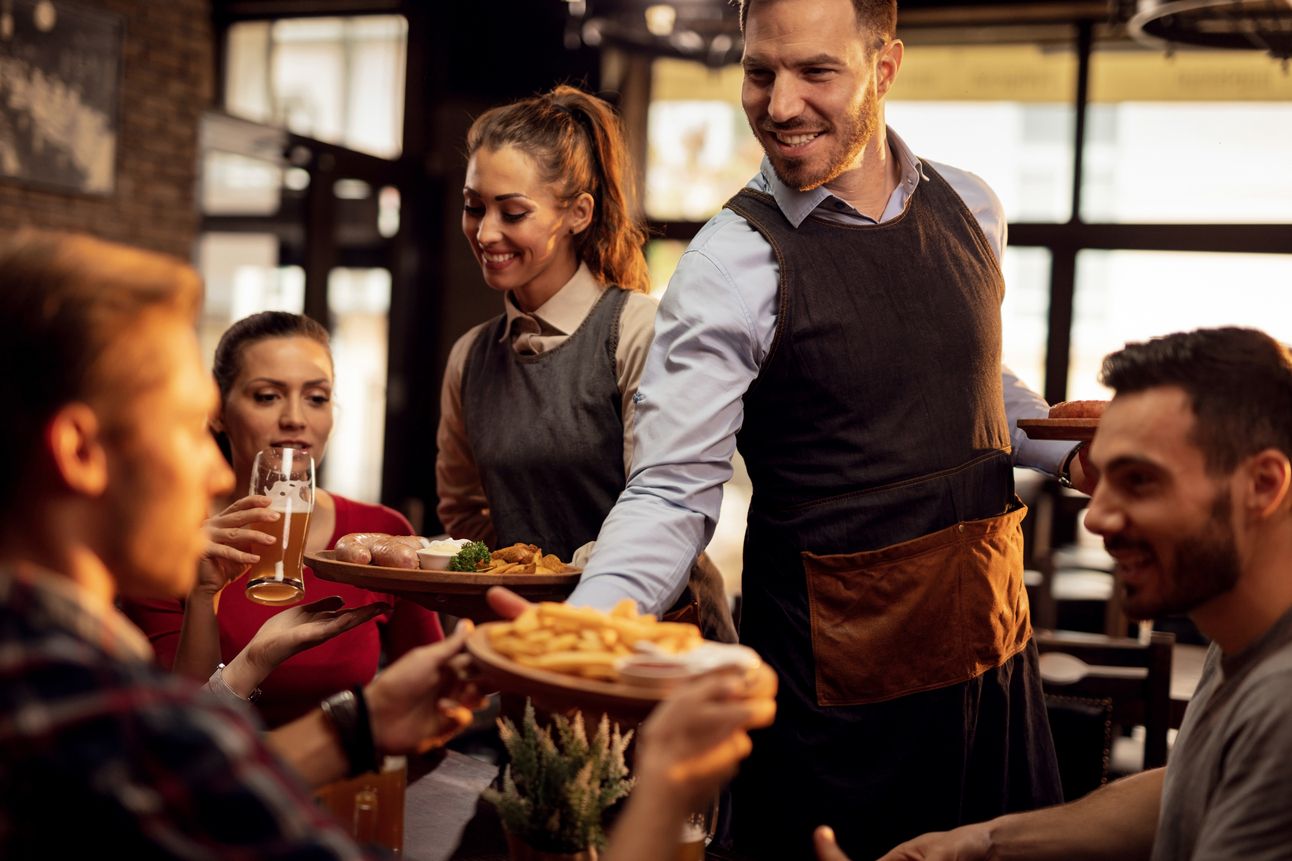
The word "restaurant" itself comes from the French "restaurer"—to restore or refresh. At its heart, every segment of our industry exists to serve others, whether directly nourishing guests or supporting those who do.
From the farmer who carefully tends crops to the distributor ensuring on-time delivery, from the manufacturer maintaining quality standards to the chef transforming ingredients into experiences—our industry is built on service to others.
Leadership in food businesses, when done well, embodies this same service orientation. The best leaders understand that their role exists not for personal recognition but to help others succeed. Their decisions, guidance, and support are all directed toward enabling their teams to achieve what might otherwise be impossible.
This service mindset transforms both culinary work and leadership from mere technical exercises into meaningful contributions. The chef who cooks with passion creates more than a meal; the leader who leads with genuine care builds more than a business.
The Recipe for Excellence
Perhaps this is why both culinary achievement and leadership excellence resist perfect measurement. Neither can be fully captured by Michelin stars, Yelp reviews, profit margins, or market share alone—they must be experienced in their fullness. And when either is done well, we always come back for seconds.
The journey to mastery in both domains is lifelong. There is always another technique to refine, another behavior to develop, another level of excellence to pursue. But the journey itself brings satisfaction when approached with intention and joy.
Reply